

When was the last time you truly lost yourself in a book from cover to cover? Chances are, it’s been a while. In today’s digital age, we spend hours scrolling through social media, watching videos, and consuming bite-sized content that our brains hardly remember. But what if swapping just 30 minutes of screen time for dedicated reading could significantly boost your mental health, sharpen your focus, and enhance your lifespan? The science behind reading reveals it’s not just a hobby but a vital activity for maintaining and improving your brain’s health.
In this post, we’ll explore the incredible benefits of reading—how it changes your brain physically and functionally, and practical steps to incorporate more deep, meaningful reading into your busy life. Whether you’re a book lover or a sceptic, understanding why reading matters can inspire you to make it a daily habit that supports your well-being for years to come.
The Science of Reading: How Your Brain Benefits
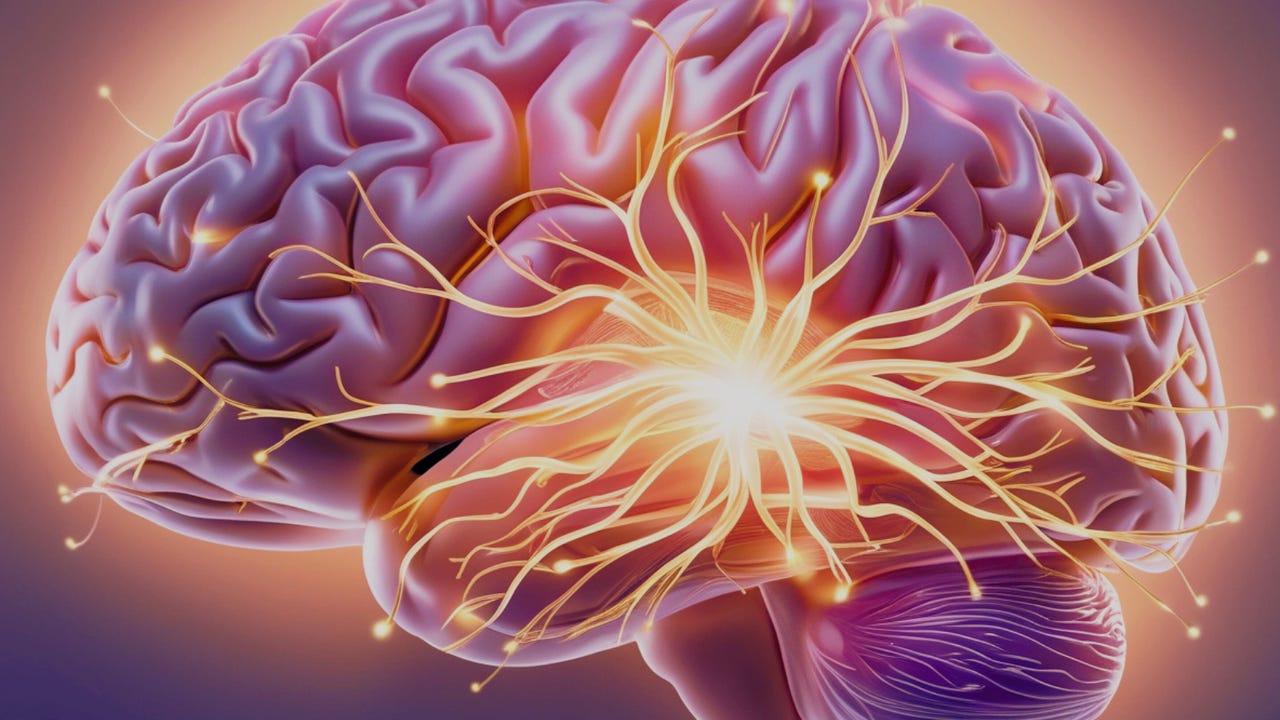
When you open a book, your brain isn’t just passively absorbing information—it’s actively engaged in a full-body workout. Unlike scrolling through social media or binge-watching TV, reading activates multiple regions of your brain simultaneously. Visual processing, language recognition, emotional engagement, and memory all come into play, creating a comprehensive mental exercise.
What happens to your brain when you read?
Active engagement:
Recognising words, decoding language, visualising scenes, and linking new information to existing knowledge.
Emotional response:
Responding to characters and situations, which stimulates empathy and emotional intelligence.
Memory and anticipation:
Remembering plot details, predicting outcomes, and creating mental imagery—strengthening your memory systems.
Studies utilising brain imaging show that regular reading increases grey matter density in language areas and strengthens white matter pathways, enabling better connectivity across brain regions. This neuroplasticity means your brain physically reshapes itself in response to your reading habits, much like how muscles grow with exercise.
Why does this matter?
Because these neural changes build what’s called
cognitive reserve, your brain’s resilience against ageing and neurodegenerative diseases like dementia and Alzheimer’s. The more you read across your lifespan, the better your cognitive functions in later years, and the lower your risk of decline.

Photograph 📸 Hasselblad, CFV II 50C/907X
Reading Enhances Focus, Memory, and Stress Relief
In our distraction-filled world, maintaining sustained attention is a precious skill. Reading trains this muscle by requiring you to focus on a single task for an extended period, resisting interruptions from notifications or multitasking. Each session strengthens your attention span, which organically carries over to work, conversations, and daily life.
How does reading boost mental function?
Focus and concentration:
Sitting down with a book for 30 minutes trains your brain to filter distractions—helping you stay present.
Memory enhancement:
Following complex plots, recalling characters’ relationships, and connecting ideas exercises your memory and comprehension. Regular readers tend to have better memory performance.
Stress reduction:
Surprisingly, just six minutes of reading can cut stress levels by up to 68%. Reading shifts your nervous system into “Rest and Digest,” lowering heart rate and blood pressure, and easing muscle tension.
Additionally, reading fiction improves empathy. When you dive into characters’ thoughts and feelings, your brain simulates those experiences, sharpening your social skills and emotional intelligence—crucial qualities that influence relationships and career success.
Deep vs. Shallow: Why Physical Books Trump Screens
While digital reading has become commonplace, it’s often shallow and fragmented. Scrolling through social feeds trains your brain to skim and jump around, impairing your ability to focus deeply. In contrast, reading a physical book demands sustained attention, linear progress, and physical engagement—leading to better comprehension and retention.
Risks of screen-based reading:
Blue light emissions suppress melatonin, disrupting sleep quality—especially when reading before bed.
Notifications and alerts tempt you to abandon your book, fragmenting your concentration.
Frequent switching between apps reduces your brain’s ability to engage in deep, immersive reading, weakening neural pathways necessary for critical thinking.
Advantages of physical books:
They provide tactile cues—spatial memory anchors that reinforce comprehension.
No electronic distractions—just you and the content.
Easier on your eyes, reducing digital eye strain, headaches, and blurry vision.
Maintaining the ability to read deeply is essential to avoid falling into a cycle of superficial information processing. Physical books support this ability and help preserve your deep focus and comprehension skills.
Practical Steps to Make Reading a Daily Wellness Ritual
Starting small is key. Don’t set impossible goals like reading an hour a day if you haven’t read in years. Instead, begin with just 10 pages or 15 minutes before bed. Consistency counts—these small doses compound into meaningful benefits over time.
Here’s how to build a sustainable reading habit:
Keep a book everywhere:
bedside, bag, car—make it accessible.
Replace screen time:
swap scrolling, watching TV, or internet browsing with reading.
Choose what excites you:
start with genres or topics you love—fiction, personal development, or topics related to wellness.
Two-book system:
Keep one challenging book and one fun read to stay engaged and prevent burnout.
Create a cosy environment:
Comfortable seating, good lighting, and quiet make reading enjoyable.
Set notifications or reminders:
Prompt yourself to read at a regular time, like before bed.
Track your progress:
Use apps or simple lists, and celebrate milestones – finishing a book or sticking to your routine.
Remember, the goal isn’t to impress others or reach a certain number but to make reading an integral part of your self-care. Small habits, like swapping 10 minutes of social media for a chapter, can lead to a richer, healthier mind.
Final Thoughts: Your Brain Will Thank You
Your brain is the most vital organ you own—everything you think, feel, and do happens there. Protecting and nurturing it should be a priority. Reading is a scientifically backed, accessible, and enjoyable way to strengthen your mental health, enhance focus, and support longevity.
By dedicating just 30 minutes a day to reading instead of scrolling, you can:
Improve cognitive function and delay aging
Reduce stress and improve sleep quality
Expand vocabulary and boost creativity
Foster empathy, better relationships, and social bonds
Remember: the best time to start was years ago.
The second-best time is tonight
Pick up that book, settle into your favourite spot, and give your brain the nourishment it deserves.
FAQ: Unlocking the Power of Reading
How much should I read daily to see benefits?
Start small—aim for 10-15 minutes or 10 pages a day. Consistency matters more than duration. Over time, gradually increase your reading time to around 30 minutes daily.
Can reading replace other forms of mental exercise?
Yes. Reading not only improves vocabulary and focus but also enhances empathy and stress resilience. It’s a holistic way to support mental fitness alongside other activities.
Are physical books really better than e-books or audiobooks?
Physical books offer tactile memory cues, fewer distractions, and are easier on the eyes. Audiobooks and e-books are convenient, especially on the go, but combining formats based on context can maximise benefits.
How do I stay motivated to read regularly?
Create a comfortable reading space, keep books accessible, and choose topics that excite you. Join a book club or discuss what you read with friends to enhance accountability and engagement.
What topics should I read for optimal brain health?
Focus on a mix of fiction (for empathy and creativity), personal development, psychology, and neuroscience. Read what interests you most to build a sustainable habit.


